top of page
This site was designed with the
.com
website builder. Create your website today.
Start Now
ALICIA MORTON
Home
About
Dance
Family
Audio
Video
Poetry
More
Use tab to navigate through the menu items.
Play Video
Play Video
56:09
subversions
Alicia Morton Birthday Concert
See more about Alicia Morton at https://rememberingalicia.wixsite.com/alicia Born May 24, 1938, in New York City, Alcia was a dancer and teacher her entire life, continuing to teach classes and perform publicly into her 80s. Alicia first encountered the Martha Graham tradition of modern dance during her senior year of high school. She continued her studies with Foster Fitzsimmons, a former member of Ted Shawn’s dance company, and studied at the Martha Graham School in New York City, with members of the José Limón Dance Company. Soon after moving to Miami with her then-husband Phillip, she joined a local dance company, and later formed her own company, Aurora Dance. After her divorce in 1979, she moved to Massachusetts, enrolling in Smith College and completing a degree in Art History while raising her youngest child. She continued her study of dance in Northampton with Rosalind DeMille, Gemze deLappe, and Susan Waltner at Smith College. After graduation, she deepened her studies both through independent teachers and at established institutions like Jacob’s Pillow. She studied world dance forms including Classical Japanese, Butoh, Flamenco, Middle Eastern, African, and Indian Dance. In Massachusetts, she fell in love with and married Thomas Throck Morton, an artist, musician, and teacher who shared her passion for art and inspired her with his own music and painting. Together, they started Northampton Studios, a center for learning many forms of art, from dance to painting to film. Among the most popular classes was an African dance class taught by her close friend Eno Washington. Alicia and Tom raised Joe and Luc, his two children from a previous marriage, and Jordan, her youngest son from her first marriage. She evolved her own style for teaching and choreography, emphasizing clarity and simplicity, and exploring emotion through repetition, instilling deep resonance in small movements and variations. Describing her work to The New Orleans Times-Picayune newspaper in 2009, she said, “I admire something that holds back a little, and invites people in. It might thwart the expectations of some who go to dance concerts, but I have to be true to who I am. That stillness, seeing that lack of overt emotion...it can strike a deeper chord with the viewer. There’s something about a still place that’s very powerful.” Alicia’s passion for the transformative power of dance inspired her to produce live performances nearly every year for the rest of her life. Her performances featured both work she choreographed and her interpretations of foundational work from the history of modern dance, such as Witch Dance, by German Expressionist dancer Mary Wigman - a favorite of hers. When her mother and one of her sisters (Connie) died of cancer, she channeled her grief into her art, both in her dance, and in moving poetry. Despite being diagnosed with stage four breast cancer in 1997, Alicia continued to teach dance and exercise classes several days a week, bringing her love of dance and movement to hundreds of devoted students over a period of nearly fifty years. In more recent years, she also taught art history and art in film, both in community spaces such as The Amherst Senior Center, and as an Adjunct Professor at Westfield State College. She was moved by filmmakers - for example German Expressionists, U.S. film noir and the Danish director Carl Theodor Dreyer - who conveyed dark moods and emotions through non-naturalistic lighting and framing. Alicia put others before herself. From a young age, she was conscious about environmental devastation and the threat of climate change and she rejected prejudice and discrimination in all its forms. Her life reflected her values, guided by generosity and kindness, and concern about her impact on the earth. She avoided excess waste and energy inefficiency, took part in antiwar protests and a weekly peace vigil for Palestinian rights, wrote letters to politicians and newspapers, and made her concerts into benefits for local community groups. Among the organizations for which she raised money and awareness were the AIDS Community Group of Franklin County (in 1993), Leverett Peace Pagoda, The Amherst Cinema Arts Center, Traprock Peace Center, The Cancer Connection, and the Nacul Center. When she visited her son Jordan in New Orleans in the years after Hurricane Katrina, she taught free classes for community members, and did benefits for organizations involved in rebuilding the city. During this time, she dedicated her classes and performances to the New Orleans Women's Health Clinic, The Women’s Health and Justice Initiative, and The Neighborhood Gallery, a Black-led arts venue that was struggling to recover after Katrina. She also volunteered with The New Orleans Museum of Art, and contributed to a book dedicated to their sculpture garden.
Play Video
Play Video
08:59
subversions
Two Dance Performances by Alicia Morton
See more about Alicia Morton at https://rememberingalicia.wixsite.com/aliciaBorn May 24, 1938, in New York City, Alcia was a dancer and teacher her entire life, continuing to teach classes and perform publicly into her 80s.Alicia first encountered the Martha Graham tradition of modern dance during her senior year of high school. She continued her studies with Foster Fitzsimmons, a former member of Ted Shawn’s dance company, and studied at the Martha Graham School in New York City, with members of the José Limón Dance Company.Soon after moving to Miami with her then-husband Phillip, she joined a local dance company, and later formed her own company, Aurora Dance. After her divorce in 1979, she moved to Massachusetts, enrolling in Smith College and completing a degree in Art History while raising her youngest child. She continued her study of dance in Northampton with Rosalind DeMille, Gemze deLappe, and Susan Waltner at Smith College. After graduation, she deepened her studies both through independent teachers and at established institutions like Jacob’s Pillow. She studied world dance forms including Classical Japanese, Butoh, Flamenco, Middle Eastern, African, and Indian Dance. In Massachusetts, she fell in love with and married Thomas Throck Morton, an artist, musician, and teacher who shared her passion for art and inspired her with his own music and painting. Together, they started Northampton Studios, a center for learning many forms of art, from dance to painting to film. Among the most popular classes was an African dance class taught by her close friend Eno Washington. Alicia and Tom raised Joe and Luc, his two children from a previous marriage, and Jordan, her youngest son from her first marriage.She evolved her own style for teaching and choreography, emphasizing clarity and simplicity, and exploring emotion through repetition, instilling deep resonance in small movements and variations. Describing her work to The New Orleans Times-Picayune newspaper in 2009, she said, “I admire something that holds back a little, and invites people in. It might thwart the expectations of some who go to dance concerts, but I have to be true to who I am. That stillness, seeing that lack of overt emotion...it can strike a deeper chord with the viewer. There’s something about a still place that’s very powerful.”Alicia’s passion for the transformative power of dance inspired her to produce live performances nearly every year for the rest of her life. Her performances featured both work she choreographed and her interpretations of foundational work from the history of modern dance, such as Witch Dance, by German Expressionist dancer Mary Wigman - a favorite of hers. When her mother and one of her sisters (Connie) died of cancer, she channeled her grief into her art, both in her dance, and in moving poetry. Despite being diagnosed with stage four breast cancer in 1997, Alicia continued to teach dance and exercise classes several days a week, bringing her love of dance and movement to hundreds of devoted students over a period of nearly fifty years. In more recent years, she also taught art history and art in film, both in community spaces such as The Amherst Senior Center, and as an Adjunct Professor at Westfield State College. She was moved by filmmakers - for example German Expressionists, U.S. film noir and the Danish director Carl Theodor Dreyer - who conveyed dark moods and emotions through non-naturalistic lighting and framing.Alicia put others before herself. From a young age, she was conscious about environmental devastation and the threat of climate change and she rejected prejudice and discrimination in all its forms. Her life reflected her values, guided by generosity and kindness, and concern about her impact on the earth. She avoided excess waste and energy inefficiency, took part in antiwar protests and a weekly peace vigil for Palestinian rights, wrote letters to politicians and newspapers, and made her concerts into benefits for local community groups. Among the organizations for which she raised money and awareness were the AIDS Community Group of Franklin County (in 1993), Leverett Peace Pagoda, The Amherst Cinema Arts Center, Traprock Peace Center, The Cancer Connection, and the Nacul Center. When she visited her son Jordan in New Orleans in the years after Hurricane Katrina, she taught free classes for community members, and did benefits for organizations involved in rebuilding the city. During this time, she dedicated her classes and performances to the New Orleans Women's Health Clinic, The Women’s Health and Justice Initiative, and The Neighborhood Gallery, a Black-led arts venue that was struggling to recover after Katrina. She also volunteered with The New Orleans Museum of Art, and contributed to a book dedicated to their sculpture garden.
Play Video
Play Video
58:52
subversions
Alicia Morton 60th Birthday Dance Performance in Amherst, MA
See more about Alicia Morton at https://rememberingalicia.wixsite.com/aliciaBorn May 24, 1938, in New York City, Alcia was a dancer and teacher her entire life, continuing to teach classes and perform publicly into her 80s.Alicia first encountered the Martha Graham tradition of modern dance during her senior year of high school. She continued her studies with Foster Fitzsimmons, a former member of Ted Shawn’s dance company, and studied at the Martha Graham School in New York City, with members of the José Limón Dance Company.Soon after moving to Miami with her then-husband Phillip, she joined a local dance company, and later formed her own company, Aurora Dance. After her divorce in 1979, she moved to Massachusetts, enrolling in Smith College and completing a degree in Art History while raising her youngest child. She continued her study of dance in Northampton with Rosalind DeMille, Gemze deLappe, and Susan Waltner at Smith College. After graduation, she deepened her studies both through independent teachers and at established institutions like Jacob’s Pillow. She studied world dance forms including Classical Japanese, Butoh, Flamenco, Middle Eastern, African, and Indian Dance. In Massachusetts, she fell in love with and married Thomas Throck Morton, an artist, musician, and teacher who shared her passion for art and inspired her with his own music and painting. Together, they started Northampton Studios, a center for learning many forms of art, from dance to painting to film. Among the most popular classes was an African dance class taught by her close friend Eno Washington. Alicia and Tom raised Joe and Luc, his two children from a previous marriage, and Jordan, her youngest son from her first marriage.She evolved her own style for teaching and choreography, emphasizing clarity and simplicity, and exploring emotion through repetition, instilling deep resonance in small movements and variations. Describing her work to The New Orleans Times-Picayune newspaper in 2009, she said, “I admire something that holds back a little, and invites people in. It might thwart the expectations of some who go to dance concerts, but I have to be true to who I am. That stillness, seeing that lack of overt emotion...it can strike a deeper chord with the viewer. There’s something about a still place that’s very powerful.”Alicia’s passion for the transformative power of dance inspired her to produce live performances nearly every year for the rest of her life. Her performances featured both work she choreographed and her interpretations of foundational work from the history of modern dance, such as Witch Dance, by German Expressionist dancer Mary Wigman - a favorite of hers. When her mother and one of her sisters (Connie) died of cancer, she channeled her grief into her art, both in her dance, and in moving poetry. Despite being diagnosed with stage four breast cancer in 1997, Alicia continued to teach dance and exercise classes several days a week, bringing her love of dance and movement to hundreds of devoted students over a period of nearly fifty years. In more recent years, she also taught art history and art in film, both in community spaces such as The Amherst Senior Center, and as an Adjunct Professor at Westfield State College. She was moved by filmmakers - for example German Expressionists, U.S. film noir and the Danish director Carl Theodor Dreyer - who conveyed dark moods and emotions through non-naturalistic lighting and framing.Alicia put others before herself. From a young age, she was conscious about environmental devastation and the threat of climate change and she rejected prejudice and discrimination in all its forms. Her life reflected her values, guided by generosity and kindness, and concern about her impact on the earth. She avoided excess waste and energy inefficiency, took part in antiwar protests and a weekly peace vigil for Palestinian rights, wrote letters to politicians and newspapers, and made her concerts into benefits for local community groups. Among the organizations for which she raised money and awareness were the AIDS Community Group of Franklin County (in 1993), Leverett Peace Pagoda, The Amherst Cinema Arts Center, Traprock Peace Center, The Cancer Connection, and the Nacul Center. When she visited her son Jordan in New Orleans in the years after Hurricane Katrina, she taught free classes for community members, and did benefits for organizations involved in rebuilding the city. During this time, she dedicated her classes and performances to the New Orleans Women's Health Clinic, The Women’s Health and Justice Initiative, and The Neighborhood Gallery, a Black-led arts venue that was struggling to recover after Katrina. She also volunteered with The New Orleans Museum of Art, and contributed to a book dedicated to their sculpture garden.
Play Video
Play Video
03:29
subversions
Alicia Morton Witch Dance from Images of the Goddess
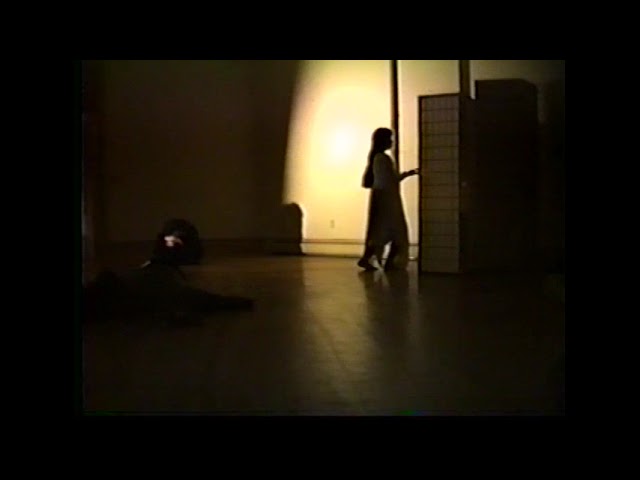
Witch Dance A recreation by Alicia Morton of a 1926 dance by German Expressionist pioneer modern dancer Mary Wigman. From Images of the Goddess - an evening of performance by Alicia Morton at Westfield State College in Western Massachusetts, April 1999.
Play Video
Play Video
01:59:54
subversions
Reaching out around AIDS - Dance Concert Featuring Eno Washington, Alicia Morton, and others
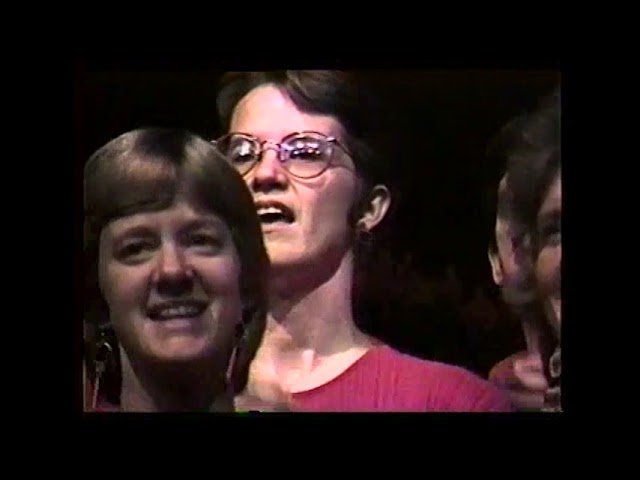
Videotaped in performance at Shea Theater, Turner's Falls, Massachusetts, on October 4, 1992. Producer: Eno Washington. Creation/production credits: Lighting: Catherine King-Devine and Joe Krusas. 1: Introductory remarks. -- [Choral music](approx. 20 min.), perf. by Amandla (company). -- Secrets [play] (approx. 32 min.). AIDS education program for teenagers, written by Patricia Loughry. Perf. by Franklin County students: Isaac Mass, Benjamin Ladd, Jennifer Clancy, Jessica Clark, and Christen Wilcox. -- 2: Conclusion of Secrets (approx. 12 min.). -- [Dances by] Eno Washington and Friends (approx. 17 min. total). Thee and me. Chor/perf: Alicia Morton. Music: Granados (Spanish dance no. 5). Pianist: Bill Keenan. -- Orientale. Chor: Isadora Duncan. Music: Chopin (Opus 68, no. 2). Perf. by Cynthia Jensen. Pianist: Keenan. -- Westwind/A prayer for survival. Chor: Richard Jones and Diana Ramos (Westwind), and Percival Borde (A prayer for survival). Perf. by Olivia Davis. -- Between earth and sky. Chor: Alicia Morton. Mus: Kenny Thorne, Larry Fitzpatrick, and Yahuba Torres. Perf. by Patti Watson. -- Life after death. Chor: Eno Washington and Kenny Thorne. Mus: Kenny Thorne, Larry Fitzpatrick, and Yahuba Torres. Perf. by Eno Washington. -- Avant garde: excerpt from a series of West African ballets (approx. 32 min.). Artistic direction: Bamidele Osumarea. Perf. by Bamidele Dancers and Drummers.
Play Video
Play Video
02:33
subversions
Alicia Morton Solo Rehearsal
See more about Alicia Morton at https://rememberingalicia.wixsite.com/aliciaBorn May 24, 1938, in New York City, Alcia was a dancer and teacher her entire life, continuing to teach classes and perform publicly into her 80s.Alicia first encountered the Martha Graham tradition of modern dance during her senior year of high school. She continued her studies with Foster Fitzsimmons, a former member of Ted Shawn’s dance company, and studied at the Martha Graham School in New York City, with members of the José Limón Dance Company.Soon after moving to Miami with her then-husband Phillip, she joined a local dance company, and later formed her own company, Aurora Dance. After her divorce in 1979, she moved to Massachusetts, enrolling in Smith College and completing a degree in Art History while raising her youngest child. She continued her study of dance in Northampton with Rosalind DeMille, Gemze deLappe, and Susan Waltner at Smith College. After graduation, she deepened her studies both through independent teachers and at established institutions like Jacob’s Pillow. She studied world dance forms including Classical Japanese, Butoh, Flamenco, Middle Eastern, African, and Indian Dance. In Massachusetts, she fell in love with and married Thomas Throck Morton, an artist, musician, and teacher who shared her passion for art and inspired her with his own music and painting. Together, they started Northampton Studios, a center for learning many forms of art, from dance to painting to film. Among the most popular classes was an African dance class taught by her close friend Eno Washington. Alicia and Tom raised Joe and Luc, his two children from a previous marriage, and Jordan, her youngest son from her first marriage.She evolved her own style for teaching and choreography, emphasizing clarity and simplicity, and exploring emotion through repetition, instilling deep resonance in small movements and variations. Describing her work to The New Orleans Times-Picayune newspaper in 2009, she said, “I admire something that holds back a little, and invites people in. It might thwart the expectations of some who go to dance concerts, but I have to be true to who I am. That stillness, seeing that lack of overt emotion...it can strike a deeper chord with the viewer. There’s something about a still place that’s very powerful.”Alicia’s passion for the transformative power of dance inspired her to produce live performances nearly every year for the rest of her life. Her performances featured both work she choreographed and her interpretations of foundational work from the history of modern dance, such as Witch Dance, by German Expressionist dancer Mary Wigman - a favorite of hers. When her mother and one of her sisters (Connie) died of cancer, she channeled her grief into her art, both in her dance, and in moving poetry. Despite being diagnosed with stage four breast cancer in 1997, Alicia continued to teach dance and exercise classes several days a week, bringing her love of dance and movement to hundreds of devoted students over a period of nearly fifty years. In more recent years, she also taught art history and art in film, both in community spaces such as The Amherst Senior Center, and as an Adjunct Professor at Westfield State College. She was moved by filmmakers - for example German Expressionists, U.S. film noir and the Danish director Carl Theodor Dreyer - who conveyed dark moods and emotions through non-naturalistic lighting and framing.Alicia put others before herself. From a young age, she was conscious about environmental devastation and the threat of climate change and she rejected prejudice and discrimination in all its forms. Her life reflected her values, guided by generosity and kindness, and concern about her impact on the earth. She avoided excess waste and energy inefficiency, took part in antiwar protests and a weekly peace vigil for Palestinian rights, wrote letters to politicians and newspapers, and made her concerts into benefits for local community groups. Among the organizations for which she raised money and awareness were the AIDS Community Group of Franklin County (in 1993), Leverett Peace Pagoda, The Amherst Cinema Arts Center, Traprock Peace Center, The Cancer Connection, and the Nacul Center. When she visited her son Jordan in New Orleans in the years after Hurricane Katrina, she taught free classes for community members, and did benefits for organizations involved in rebuilding the city. During this time, she dedicated her classes and performances to the New Orleans Women's Health Clinic, The Women’s Health and Justice Initiative, and The Neighborhood Gallery, a Black-led arts venue that was struggling to recover after Katrina. She also volunteered with The New Orleans Museum of Art, and contributed to a book dedicated to their sculpture garden.
Play Video
Play Video
12:40
subversions
"A Duet" - Alicia Morton Dance Rehearsal
See more about Alicia Morton at https://rememberingalicia.wixsite.com/aliciaBorn May 24, 1938, in New York City, Alcia was a dancer and teacher her entire life, continuing to teach classes and perform publicly into her 80s.Alicia first encountered the Martha Graham tradition of modern dance during her senior year of high school. She continued her studies with Foster Fitzsimmons, a former member of Ted Shawn’s dance company, and studied at the Martha Graham School in New York City, with members of the José Limón Dance Company.Soon after moving to Miami with her then-husband Phillip, she joined a local dance company, and later formed her own company, Aurora Dance. After her divorce in 1979, she moved to Massachusetts, enrolling in Smith College and completing a degree in Art History while raising her youngest child. She continued her study of dance in Northampton with Rosalind DeMille, Gemze deLappe, and Susan Waltner at Smith College. After graduation, she deepened her studies both through independent teachers and at established institutions like Jacob’s Pillow. She studied world dance forms including Classical Japanese, Butoh, Flamenco, Middle Eastern, African, and Indian Dance. In Massachusetts, she fell in love with and married Thomas Throck Morton, an artist, musician, and teacher who shared her passion for art and inspired her with his own music and painting. Together, they started Northampton Studios, a center for learning many forms of art, from dance to painting to film. Among the most popular classes was an African dance class taught by her close friend Eno Washington. Alicia and Tom raised Joe and Luc, his two children from a previous marriage, and Jordan, her youngest son from her first marriage.She evolved her own style for teaching and choreography, emphasizing clarity and simplicity, and exploring emotion through repetition, instilling deep resonance in small movements and variations. Describing her work to The New Orleans Times-Picayune newspaper in 2009, she said, “I admire something that holds back a little, and invites people in. It might thwart the expectations of some who go to dance concerts, but I have to be true to who I am. That stillness, seeing that lack of overt emotion...it can strike a deeper chord with the viewer. There’s something about a still place that’s very powerful.”Alicia’s passion for the transformative power of dance inspired her to produce live performances nearly every year for the rest of her life. Her performances featured both work she choreographed and her interpretations of foundational work from the history of modern dance, such as Witch Dance, by German Expressionist dancer Mary Wigman - a favorite of hers. When her mother and one of her sisters (Connie) died of cancer, she channeled her grief into her art, both in her dance, and in moving poetry. Despite being diagnosed with stage four breast cancer in 1997, Alicia continued to teach dance and exercise classes several days a week, bringing her love of dance and movement to hundreds of devoted students over a period of nearly fifty years. In more recent years, she also taught art history and art in film, both in community spaces such as The Amherst Senior Center, and as an Adjunct Professor at Westfield State College. She was moved by filmmakers - for example German Expressionists, U.S. film noir and the Danish director Carl Theodor Dreyer - who conveyed dark moods and emotions through non-naturalistic lighting and framing.Alicia put others before herself. From a young age, she was conscious about environmental devastation and the threat of climate change and she rejected prejudice and discrimination in all its forms. Her life reflected her values, guided by generosity and kindness, and concern about her impact on the earth. She avoided excess waste and energy inefficiency, took part in antiwar protests and a weekly peace vigil for Palestinian rights, wrote letters to politicians and newspapers, and made her concerts into benefits for local community groups. Among the organizations for which she raised money and awareness were the AIDS Community Group of Franklin County (in 1993), Leverett Peace Pagoda, The Amherst Cinema Arts Center, Traprock Peace Center, The Cancer Connection, and the Nacul Center. When she visited her son Jordan in New Orleans in the years after Hurricane Katrina, she taught free classes for community members, and did benefits for organizations involved in rebuilding the city. During this time, she dedicated her classes and performances to the New Orleans Women's Health Clinic, The Women’s Health and Justice Initiative, and The Neighborhood Gallery, a Black-led arts venue that was struggling to recover after Katrina. She also volunteered with The New Orleans Museum of Art, and contributed to a book dedicated to their sculpture garden.
Play Video
Play Video
20:35
subversions
Alicia Morton Performance and Explanation
See more about Alicia Morton at https://rememberingalicia.wixsite.com/alicia Born May 24, 1938, in New York City, Alcia was a dancer and teacher her entire life, continuing to teach classes and perform publicly into her 80s. Alicia first encountered the Martha Graham tradition of modern dance during her senior year of high school. She continued her studies with Foster Fitzsimmons, a former member of Ted Shawn’s dance company, and studied at the Martha Graham School in New York City, with members of the José Limón Dance Company. Soon after moving to Miami with her then-husband Phillip, she joined a local dance company, and later formed her own company, Aurora Dance. After her divorce in 1979, she moved to Massachusetts, enrolling in Smith College and completing a degree in Art History while raising her youngest child. She continued her study of dance in Northampton with Rosalind DeMille, Gemze deLappe, and Susan Waltner at Smith College. After graduation, she deepened her studies both through independent teachers and at established institutions like Jacob’s Pillow. She studied world dance forms including Classical Japanese, Butoh, Flamenco, Middle Eastern, African, and Indian Dance. In Massachusetts, she fell in love with and married Thomas Throck Morton, an artist, musician, and teacher who shared her passion for art and inspired her with his own music and painting. Together, they started Northampton Studios, a center for learning many forms of art, from dance to painting to film. Among the most popular classes was an African dance class taught by her close friend Eno Washington. Alicia and Tom raised Joe and Luc, his two children from a previous marriage, and Jordan, her youngest son from her first marriage. She evolved her own style for teaching and choreography, emphasizing clarity and simplicity, and exploring emotion through repetition, instilling deep resonance in small movements and variations. Describing her work to The New Orleans Times-Picayune newspaper in 2009, she said, “I admire something that holds back a little, and invites people in. It might thwart the expectations of some who go to dance concerts, but I have to be true to who I am. That stillness, seeing that lack of overt emotion...it can strike a deeper chord with the viewer. There’s something about a still place that’s very powerful.” Alicia’s passion for the transformative power of dance inspired her to produce live performances nearly every year for the rest of her life. Her performances featured both work she choreographed and her interpretations of foundational work from the history of modern dance, such as Witch Dance, by German Expressionist dancer Mary Wigman - a favorite of hers. When her mother and one of her sisters (Connie) died of cancer, she channeled her grief into her art, both in her dance, and in moving poetry. Despite being diagnosed with stage four breast cancer in 1997, Alicia continued to teach dance and exercise classes several days a week, bringing her love of dance and movement to hundreds of devoted students over a period of nearly fifty years. In more recent years, she also taught art history and art in film, both in community spaces such as The Amherst Senior Center, and as an Adjunct Professor at Westfield State College. She was moved by filmmakers - for example German Expressionists, U.S. film noir and the Danish director Carl Theodor Dreyer - who conveyed dark moods and emotions through non-naturalistic lighting and framing. Alicia put others before herself. From a young age, she was conscious about environmental devastation and the threat of climate change and she rejected prejudice and discrimination in all its forms. Her life reflected her values, guided by generosity and kindness, and concern about her impact on the earth. She avoided excess waste and energy inefficiency, took part in antiwar protests and a weekly peace vigil for Palestinian rights, wrote letters to politicians and newspapers, and made her concerts into benefits for local community groups. Among the organizations for which she raised money and awareness were the AIDS Community Group of Franklin County (in 1993), Leverett Peace Pagoda, The Amherst Cinema Arts Center, Traprock Peace Center, The Cancer Connection, and the Nacul Center. When she visited her son Jordan in New Orleans in the years after Hurricane Katrina, she taught free classes for community members, and did benefits for organizations involved in rebuilding the city. During this time, she dedicated her classes and performances to the New Orleans Women's Health Clinic, The Women’s Health and Justice Initiative, and The Neighborhood Gallery, a Black-led arts venue that was struggling to recover after Katrina. She also volunteered with The New Orleans Museum of Art, and contributed to a book dedicated to their sculpture garden.
Video: Video Clips
bottom of page